
By Dr. Marco V. Benavides Sánchez. Medmultilingua.com /
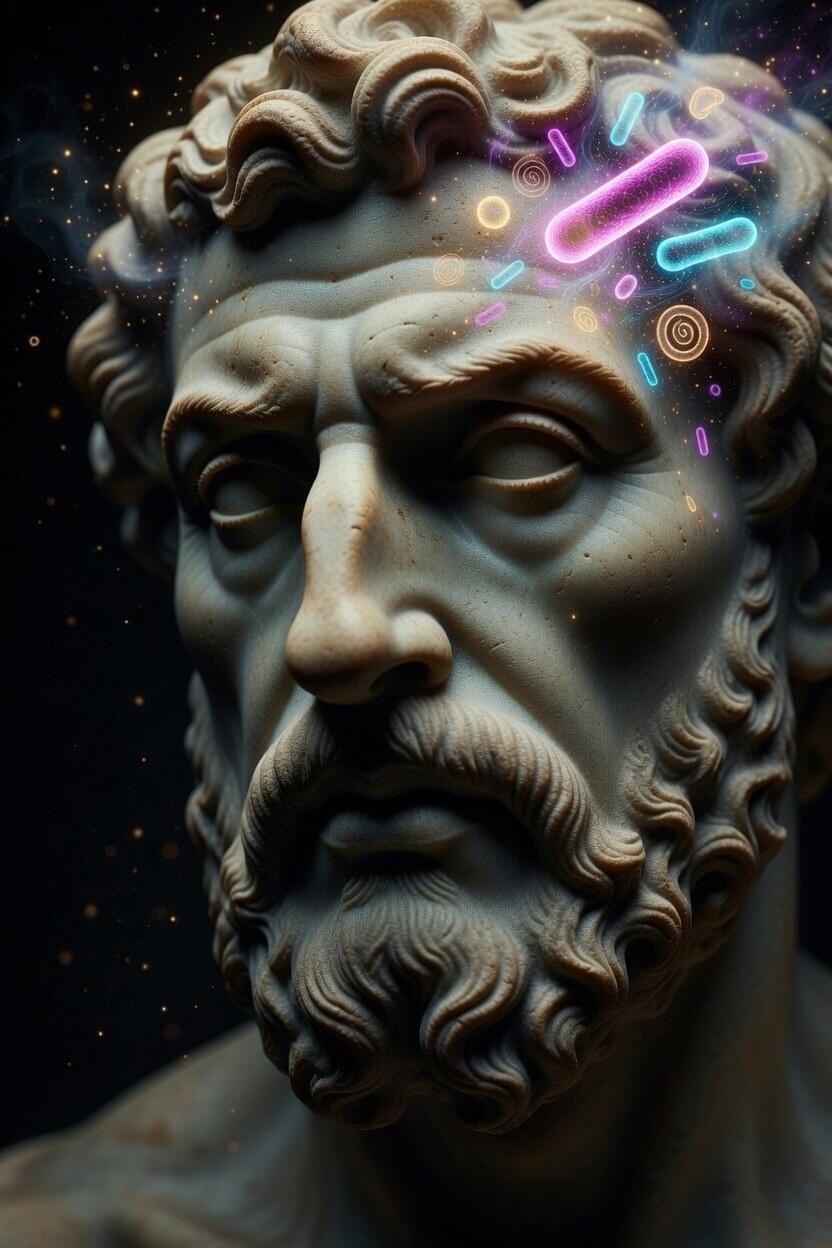
In the history of science, there are intuitions that seem centuries ahead of their time. One of the most striking comes from Republican Rome. In 36 BC, the scholar Marcus Terentius Varro wrote a warning that sounds remarkably modern today: in swamps, he said, there could be “tiny creatures that cannot be seen by the eyes, that float in the air and enter the body through the mouth and nose, causing serious illnesses.”
The phrase appears in De re rustica, an agricultural, not a medical, treatise. However, his observation constitutes one of the earliest known formulations of the idea that invisible living agents can cause disease. Varro had neither the instruments nor the theoretical framework to prove it, but his intuition is surprisingly close to what we now call the germ theory.
Between Miasmas and Microorganisms: Two Millennia of Waiting
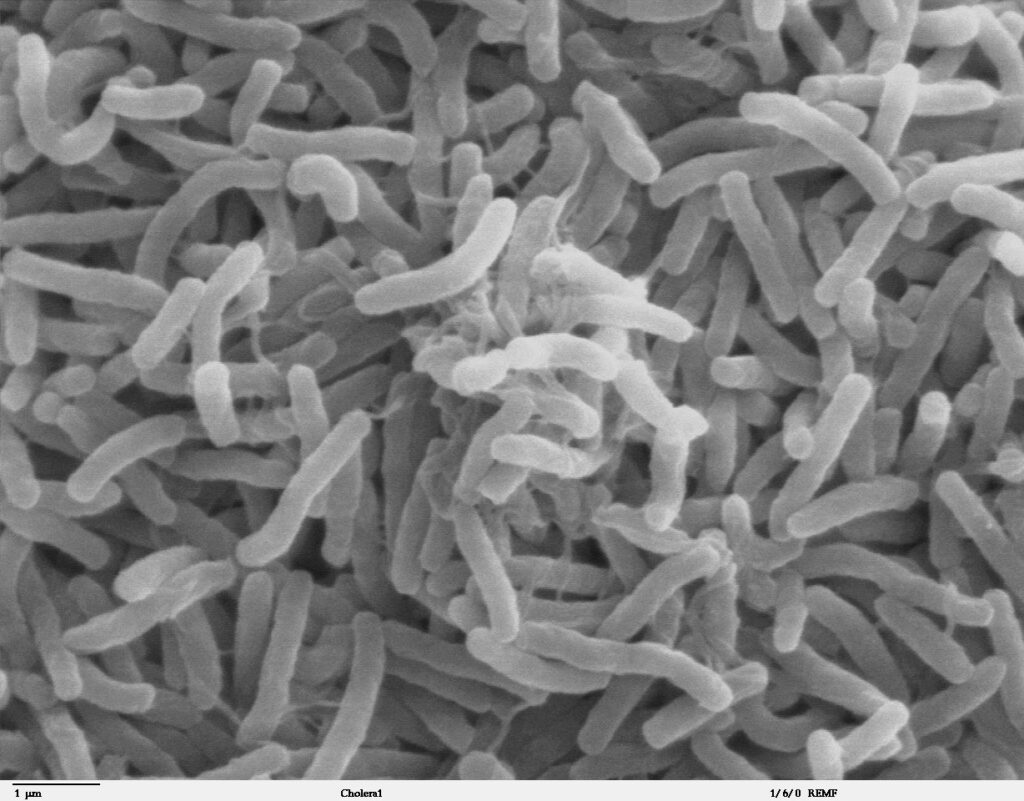
For nearly twenty centuries, Western medicine clung to alternative explanations. The most influential was the miasmatic theory, according to which diseases arose from “foul air” emanating from decaying matter. This idea dominated from Hippocrates well into the 19th century, shaping health policies, urban planning, and medical practices.
There were notable exceptions. In 1546, Girolamo Fracastoro proposed that invisible particles—seminaria contagionum—could transmit diseases. In the 17th century, Athanasius Kircher suggested that tiny organisms observed under a microscope could be involved in the plague. But none of these ideas managed to displace the miasmatic paradigm.
The revolution finally arrived in the 19th century, driven by technological and experimental advances. Louis Pasteur demonstrated that processes such as fermentation and putrefaction depended on living microorganisms, and he refuted spontaneous generation. Shortly afterward, Robert Koch identified specific pathogens responsible for particular diseases, establishing the famous Koch postulates. With these, the germ theory acquired scientific status.
Surgery Reborn: Lister and the Clinical Application of the Germ Theory
The acceptance of the germ theory transformed medicine, but its most immediate impact occurred in surgery. In the 1860s, the British surgeon Joseph Lister applied Pasteur’s principles to combat postoperative infection, one of the leading causes of death in hospitals.
Lister introduced the use of carbolic acid (phenol) to disinfect instruments, wounds, dressings, and the air in the operating room. The results were spectacular: in some surgical series, mortality from infections was reduced by up to 50%, an unprecedented change in the history of surgery. His approach ushered in the era of antiseptic surgery, which would later evolve into modern asepsis.
An Invisible Thread Linking Varro to Modern Medicine
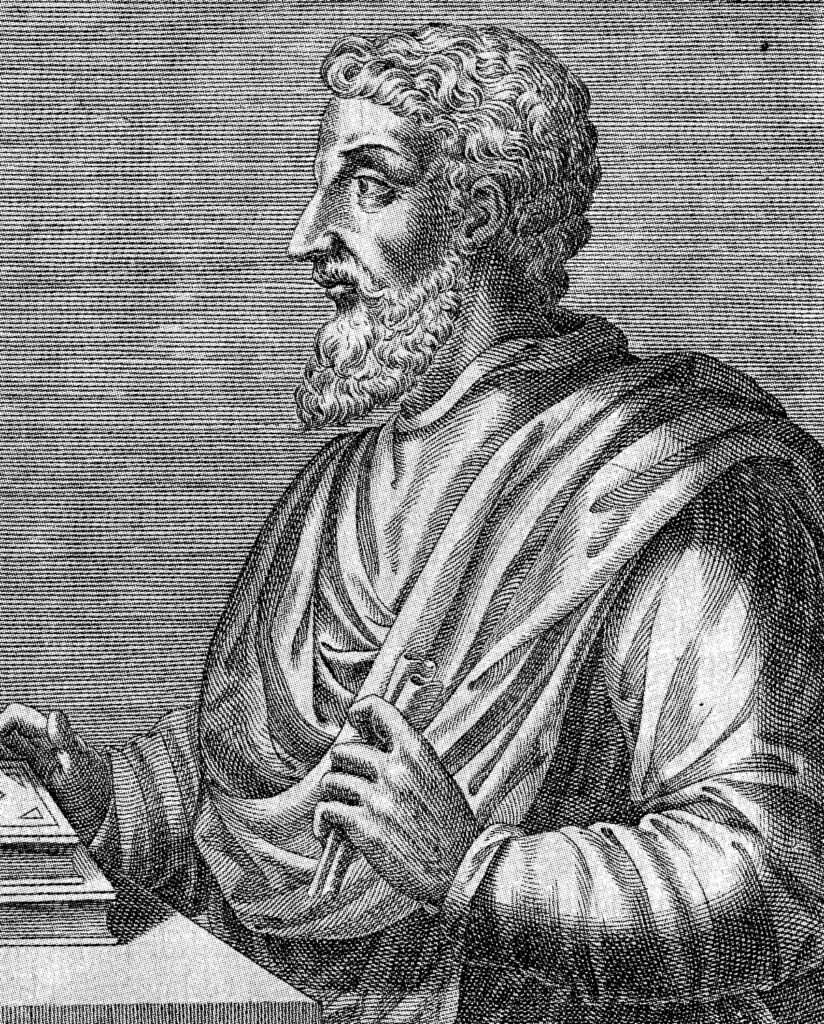
Varro’s warning wasn’t a scientific theory, but rather a remarkable intuition. His idea remained isolated for centuries, overshadowed by explanations more intuitive for his time. However, viewed from today’s perspective, his observation anticipates the fundamental concept of germ theory: that invisible organisms can cause disease.
Varro’s story reminds us that scientific knowledge doesn’t always advance in a straight line. Sometimes, a correct idea appears too early, without the necessary tools to be understood. And yet, it remains as a testament to the human capacity to imagine the invisible.
References
- Wikipedia. (2026). Germ theory of disease. Wikipedia.
- Britannica. (2026). History of medicine: Germ theory, microbes, vaccines. Encyclopaedia Britannica.
- Science Museum. (2018). Joseph Lister’s antisepsis system. Science Museum Group.
Recommended Hashtags
#GermTheory #MedicalHistory #MicrobiologyHistory #AncientScience #ScientificOrigins #Medmultilingua.
© Medmultilingua 2026 — Science accessible to everyone, worldwide.
Leave a Reply