-
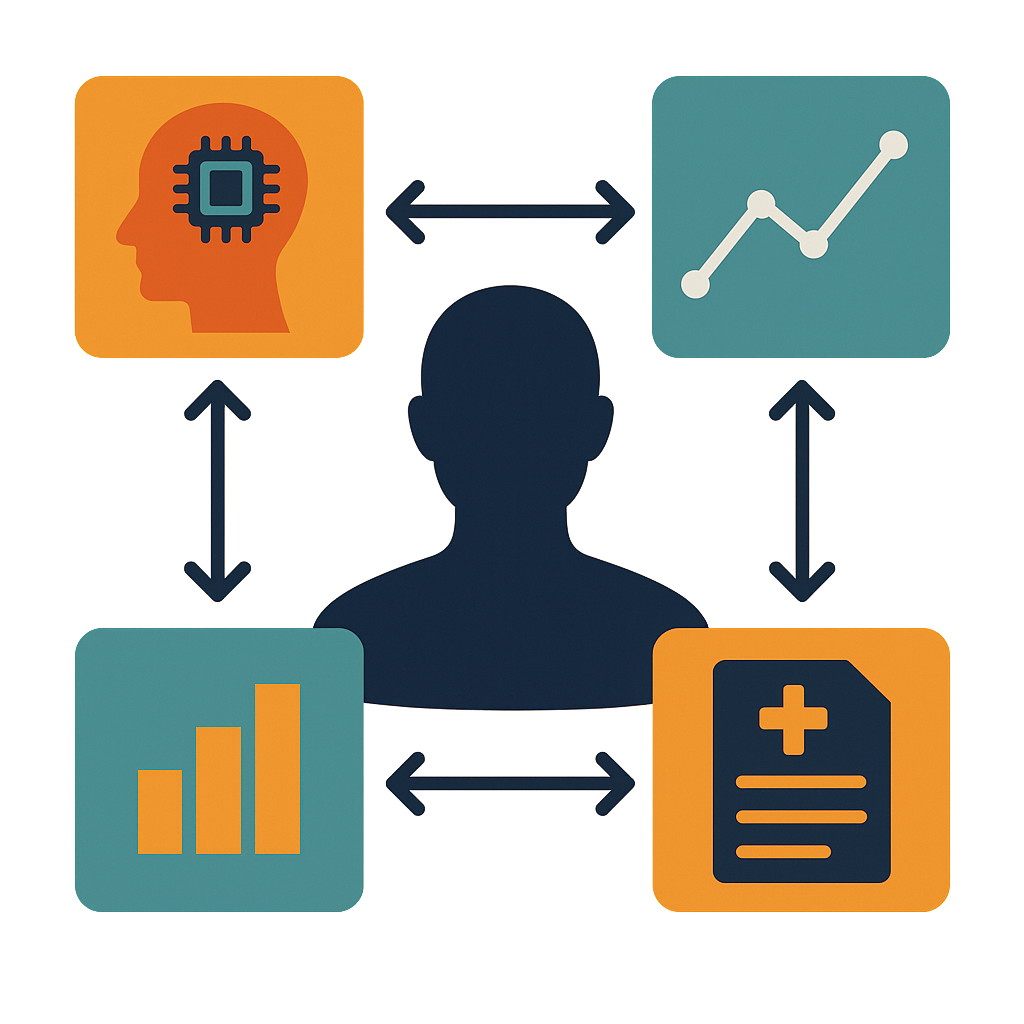
Bridging Data Worlds: Multimodal Fine-Tuning for Predicting COVID-19 Outcomes
By Dr. Marco V. Benavides Sánchez. As the pandemic tested the limits of healthcare systems worldwide, a new study by Henriksson et al. (2023) offers a compelling leap forward in clinical prediction: combining structured and unstructured data through multimodal fine-tuning of language models. Traditional models tend to lean heavily on structured data—things like lab values,…
-
Cracking the Code of Antibiotic Resistance: How AI Is Helping Doctors
Dr. Marco V. Benavides Sánchez. Antibiotic resistance is one of the most pressing health threats of our time. Imagine going to the doctor with a simple infection, only to find that the usual antibiotics no longer work. This isn’t science fiction—it’s a growing reality. But a new study published in Artificial Intelligence in Medicine offers…
-
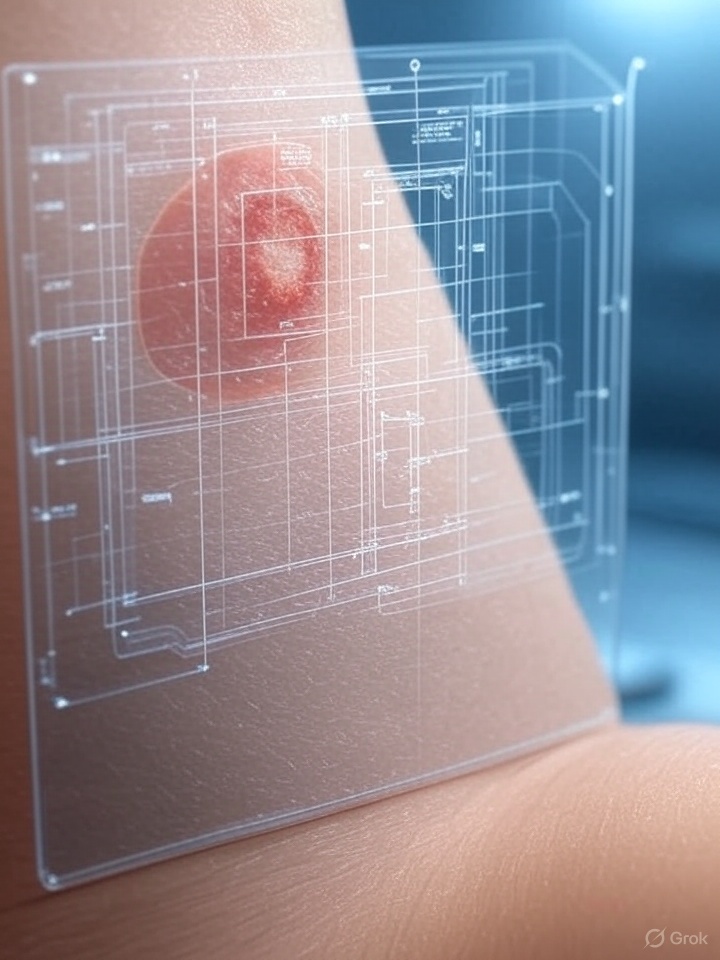
Unlocking the Future of Skin Cancer Diagnosis: A Powerful New AI Method for Lesion Segmentation
By Dr. Marco V. Benavides Sánchez. In the realm of medical diagnostics, the accurate identification of skin lesions is a vital step in the early detection and treatment of skin cancers such as melanoma. As dermatologists rely increasingly on digital tools and dermoscopic images, artificial intelligence (AI) has emerged as a game-changing ally. Yet, even…
-

Leo XIV: The Pope Who Unites Continents and Hearts
By Dr. Marco V. Benavides Sánchez. Translation from “León XIV: El Papa que une continentes y corazones“. Dedicated to my old friend César Vazquez. “Indivisa Manent”. The story of the new pontiff, Leo XIV, reflects an interconnected, multicultural world in constant search of hope. Born as Robert Francis Prevost on September 14, 1955, in Chicago,…
-
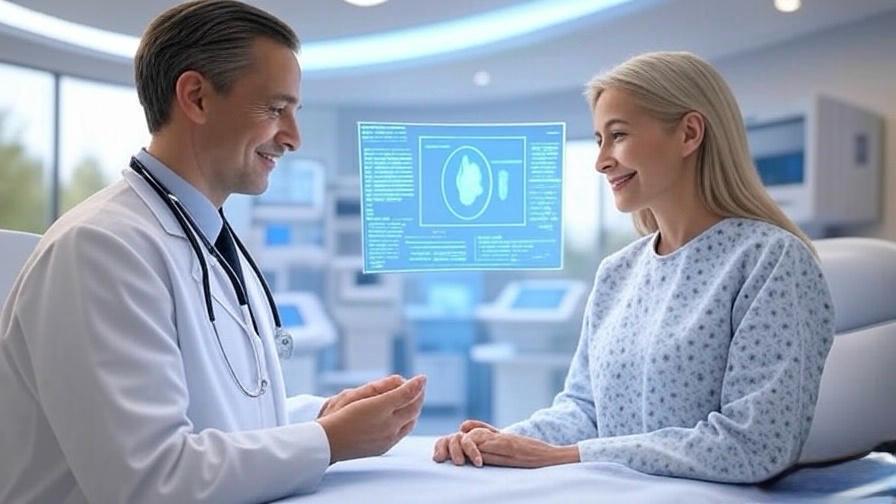
Artificial Intelligence Hunts Cancer in the Bloodstream: A Breakthrough in Circulating Tumor Cell Detection
By Dr. Marco V. Benavides Sánchez. In the relentless quest to detect cancer earlier and more accurately, researchers have turned their attention to a tiny but telling clue that floats within our bloodstream: circulating tumor cells (CTCs). These are cancerous cells that break away from a primary tumor and enter the circulatory system, offering a…
-

Pig-to-Human Transplants: Where Do We Stand Today in Xenotransplantation?
By Dr. Marco Vinicio Benavides Sanchez In recent years, one of the most revolutionary frontiers in modern medicine has begun to move from the realm of science fiction into clinical reality: xenotransplantation, the transplantation of living cells, tissues, or organs from one species into another. Of particular interest is the use of genetically modified pigs…

Artificial Intelligence in Medicine

This is how it all started…
Artificial intelligence (AI) began as a field of study at the Dartmouth conference in 1956, where a group of scientists, including John McCarthy, Marvin Minsky, Allen Newell, and Herbert A. Simon, proposed that “every aspect of learning or any other characteristic of intelligence can, in principle, be so precisely described that a machine can be made to simulate it.” This meeting was instrumental in establishing the foundations and goals of AI, defining the field as an academic discipline and laying the groundwork for decades of research. Since then, AI has evolved from simple theories and models to complex systems capable of performing tasks that, until recently, were considered exclusive to the human intellect.
Artificial intelligence is revolutionizing the fields of medicine, surgery, and biomedical sciences in extraordinary and diverse ways. In medicine, AI systems are improving diagnosis and personalizing treatment by analyzing large volumes of medical data and complex patterns beyond human capabilities, enabling more precise and efficient medicine. In surgery, AI-assisted robots are enabling more accurate, less invasive procedures with faster recovery times. Additionally, in biomedical sciences, AI is accelerating the research and development of new drugs by modeling biochemical simulations and predicting compound efficacy with unprecedented speed and accuracy. This impact of AI is not only transforming clinical and surgical methods, but also improving patient outcomes and optimizing resources in healthcare systems around the world.