-

María Corina Machado, a Symbol of Democratic Hope: The 2025 Nobel Peace Prize for Venezuela
Dr. Marco V. Benavides Sánchez. October 10, 2025, will be remembered in the history of Venezuela and Latin America as a day of profound moral and political significance. On that date, the Norwegian Nobel Committee announced that the 2025 Nobel Peace Prize was being awarded to María Corina Machado, leader of Venezuela’s democratic opposition, for…
-

Language Models in Biomedicine: A Silent Revolution?
By Dr. Marco V. Benavides Sánchez. Artificial intelligence (AI) has ceased to be a futuristic promise and has become an everyday tool across multiple fields. Among its most notable advances are large language models (LLMs), capable of understanding and generating text with remarkable fluency. While many associate them with virtual assistants or content generators, their…
-

AI and the Future of Clinical Trials: Precision Medicine
By Dr. Marco V. Benavides Sánchez. When we hear about medical breakthroughs, our minds often leap to miracle drugs or futuristic therapies. But behind every new treatment lies a rigorous, often invisible process: the clinical trial. These trials are the backbone of modern medicine, designed to test whether a new drug or intervention is safe…
-

Pig-to-Human Lung Xenotransplantation: A Milestone and Its Challenges
By Dr. Marco V. Benavides Sánchez. Lung transplantation remains the only definitive therapy for many patients with end-stage lung disease. However, the shortage of suitable human donor lungs continues to be one of the most pressing issues in modern medicine. Thousands of patients die each year while waiting for a transplant, and even those who…
-

Can Artificial Intelligence Help Us Fund Public Health More Effectively?
By Dr. Marco Vinicio Benavides Sánchez. Imagine your country has a limited health budget. How do you decide what to invest in first? Hospitals, vaccines, mental health care, disease prevention? And most importantly: how can you tell if those decisions truly improve population health? For years, this has been a complex, slow, and costly task….
-
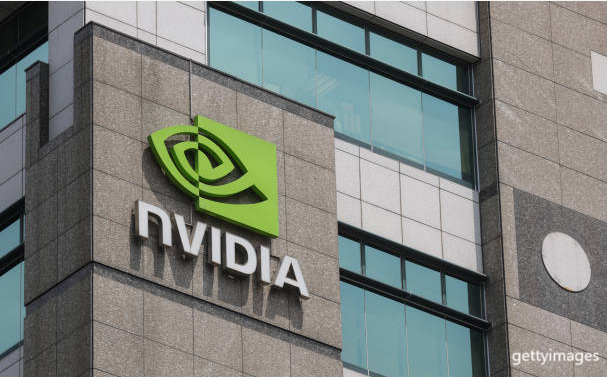
Nvidia Becomes First $4 Trillion Public Company: A New Era in AI and Market Power
By Dr. Marco V. Benavides Sánchez. In a historic financial milestone, Nvidia has become the first publicly traded company to reach a $4 trillion market capitalization, surpassing tech titans Apple and Microsoft. This achievement not only cements Nvidia’s dominance in the artificial intelligence (AI) hardware space but also signals a broader shift in the global…

Artificial Intelligence in Medicine



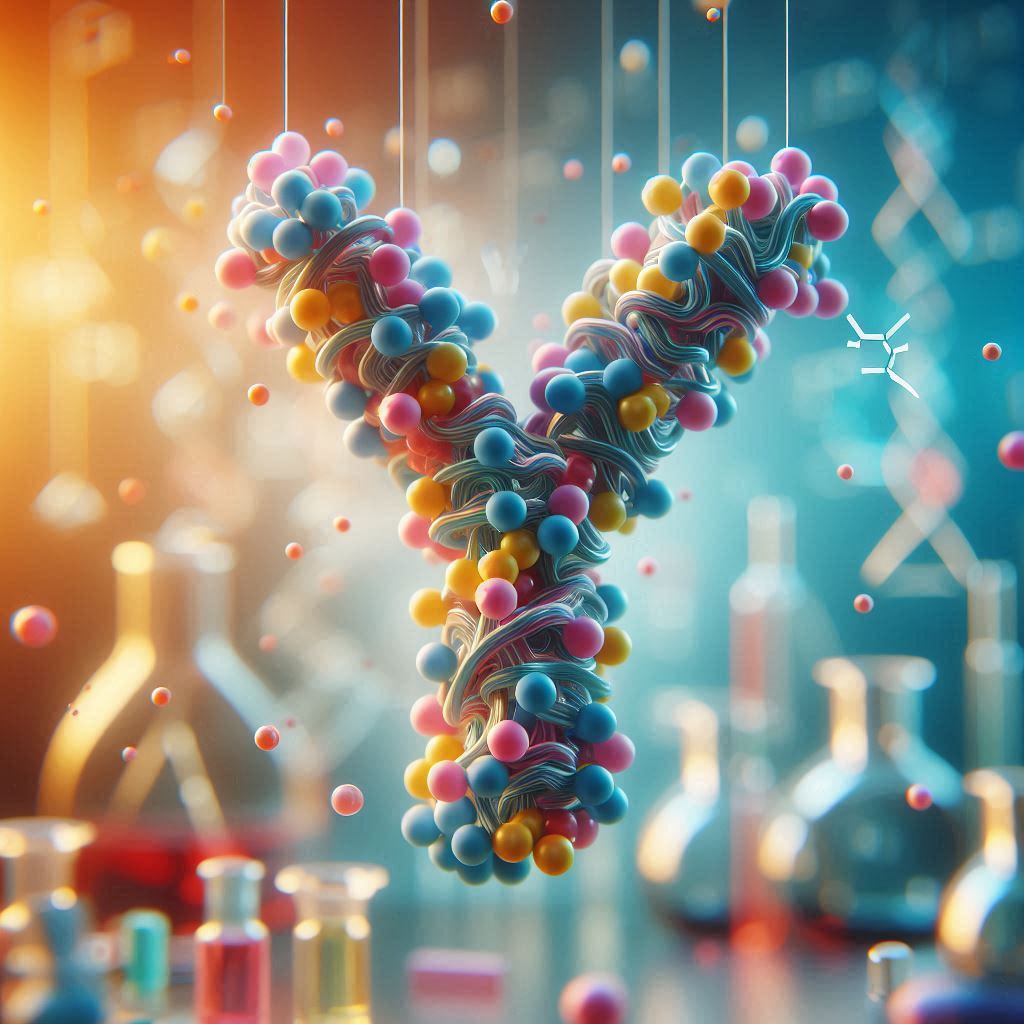
This is how it all started…
Artificial intelligence (AI) began as a field of study at the Dartmouth conference in 1956, where a group of scientists, including John McCarthy, Marvin Minsky, Allen Newell, and Herbert A. Simon, proposed that “every aspect of learning or any other characteristic of intelligence can, in principle, be so precisely described that a machine can be made to simulate it.” This meeting was instrumental in establishing the foundations and goals of AI, defining the field as an academic discipline and laying the groundwork for decades of research. Since then, AI has evolved from simple theories and models to complex systems capable of performing tasks that, until recently, were considered exclusive to the human intellect.
Artificial intelligence is revolutionizing the fields of medicine, surgery, and biomedical sciences in extraordinary and diverse ways. In medicine, AI systems are improving diagnosis and personalizing treatment by analyzing large volumes of medical data and complex patterns beyond human capabilities, enabling more precise and efficient medicine. In surgery, AI-assisted robots are enabling more accurate, less invasive procedures with faster recovery times. Additionally, in biomedical sciences, AI is accelerating the research and development of new drugs by modeling biochemical simulations and predicting compound efficacy with unprecedented speed and accuracy. This impact of AI is not only transforming clinical and surgical methods, but also improving patient outcomes and optimizing resources in healthcare systems around the world.