-
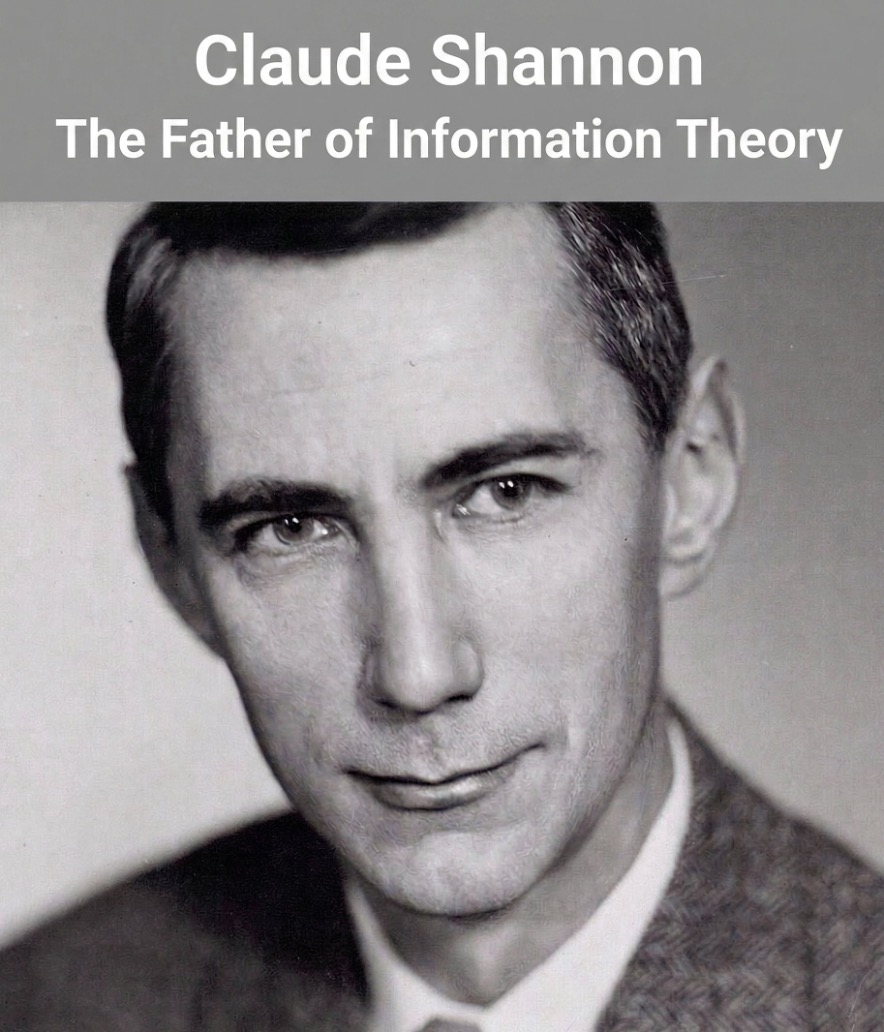
Claude Shannon: Mathematical Architect of the Digital Age
Dr. Marco V. Benavides Sánchez – Medmultilingua.com / The intellectual history of the 20th century is marked by figures who, through mathematical abstraction, irreversibly transformed everyday life. Among them, Claude Elwood Shannon occupies a unique place. His work not only inaugurated information theory but also established the conceptual foundations of digital computing, modern cryptography, and…
-
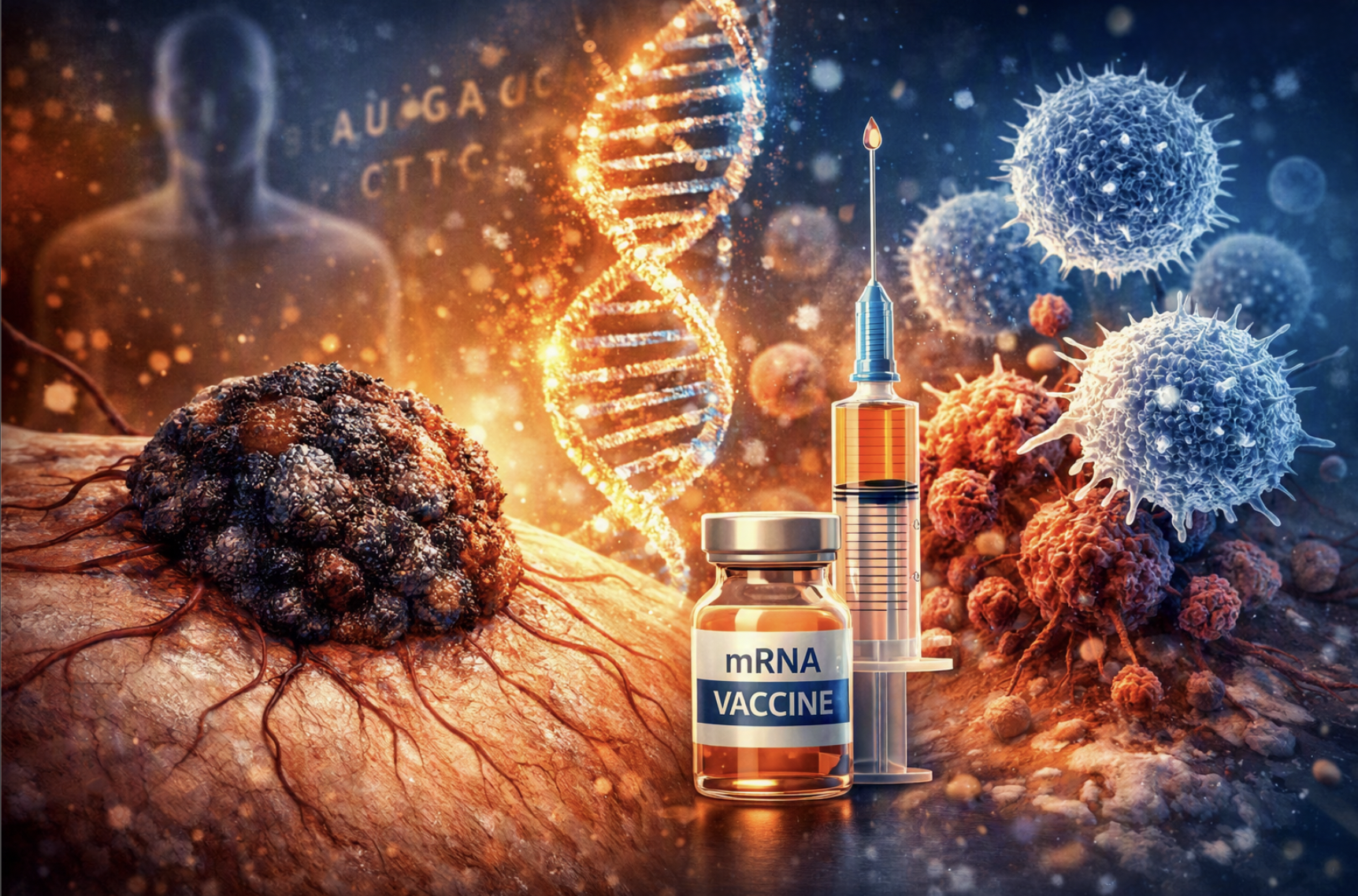
Made to Measure Vaccines: The Breakthrough That Could Transform Melanoma Treatment
Dr. Marco V. Benavides Sánchez – Medmultilingua.com / For years, melanoma has been one of the most unsettling forms of skin cancer. Although it is not the most common, its ability to grow quickly, invade organs, and return even after successful surgery makes it a persistent adversary. For those who have gone through the experience…
-
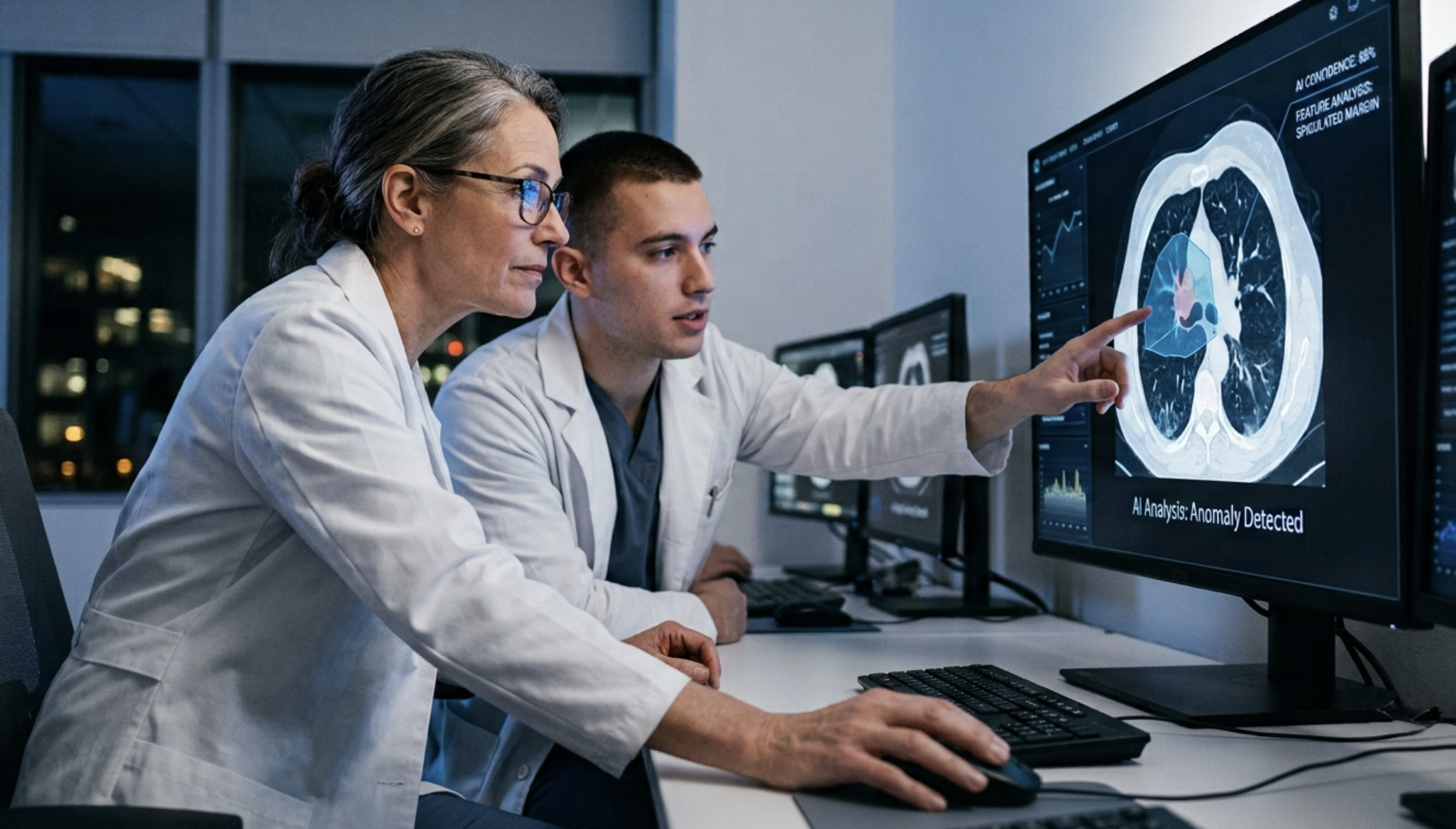
When Machines Learn to Care for Our Health
Dr. Marco V. Benavides Sánchez. Medmultilingua.com / Imagine an emergency room at three in the morning. A patient arrives struggling to breathe. Before the physician finishes reading the vital signs, an algorithm has already crossed hundreds of variables—oxygenation, heart rate, medical history—and quietly triggered an alert: high risk of deterioration in the next few hours….
-

The Virus That Traveled the World’s Most Remote Seas
Dr. Marco V. Benavides Sánchez – Medmultilingua.com/ What you need to know about the Andes hantavirus aboard the MV Hondius — and why fear is the wrong response. On April 1, 2026, the Dutch expedition ship MV Hondius cast off from Ushuaia, Argentina — one of the southernmost ports on Earth — carrying 147 passengers of 23…
-
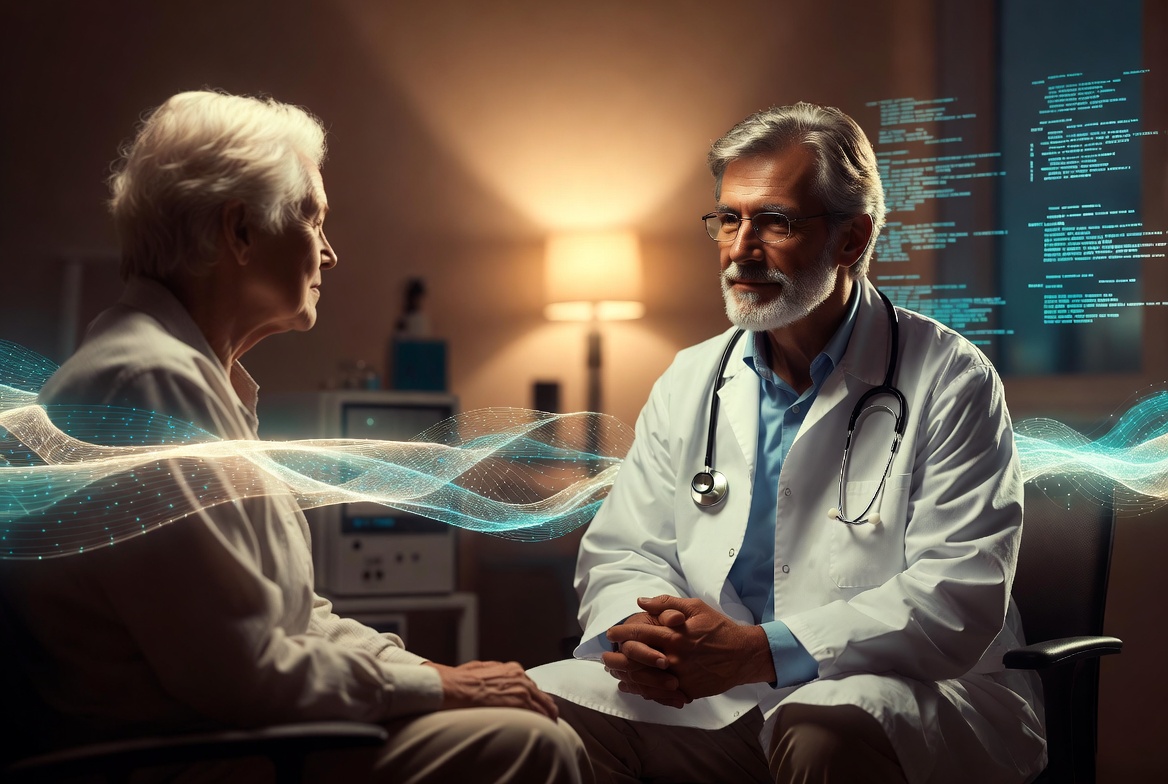
AI in Medicine: From Promising Tech to Clinical Standard
Dr. Marco V. Benavides Sánchez – Medmultilingua.com/ In 2026, artificial intelligence isn’t just knocking on medicine’s door — it’s already inside, working the night shift. What began as academic experimentation has quietly become essential infrastructure. Hospitals, diagnostic centers, and health systems worldwide now run on AI-assisted workflows that would have seemed futuristic just a decade…
-
The Doctor Who Never Sleeps
Dr. Marco V. Benavides Sánchez – Medmultilingua.com / Picture an intensive care unit at three in the morning. Monitors blink in the half-dark, nurses move quietly down the corridor, and somewhere inside the hospital’s servers, an algorithm is watching. It doesn’t rest. It doesn’t get distracted. And it’s getting smarter by the hour. For years,…

Artificial Intelligence in Medicine



This is how it all started…
Artificial intelligence (AI) began as a field of study at the Dartmouth conference in 1956, where a group of scientists, including John McCarthy, Marvin Minsky, Allen Newell, and Herbert A. Simon, proposed that “every aspect of learning or any other characteristic of intelligence can, in principle, be so precisely described that a machine can be made to simulate it.” This meeting was instrumental in establishing the foundations and goals of AI, defining the field as an academic discipline and laying the groundwork for decades of research. Since then, AI has evolved from simple theories and models to complex systems capable of performing tasks that, until recently, were considered exclusive to the human intellect.
Artificial intelligence is revolutionizing the fields of medicine, surgery, and biomedical sciences in extraordinary and diverse ways. In medicine, AI systems are improving diagnosis and personalizing treatment by analyzing large volumes of medical data and complex patterns beyond human capabilities, enabling more precise and efficient medicine. In surgery, AI-assisted robots are enabling more accurate, less invasive procedures with faster recovery times. Additionally, in biomedical sciences, AI is accelerating the research and development of new drugs by modeling biochemical simulations and predicting compound efficacy with unprecedented speed and accuracy. This impact of AI is not only transforming clinical and surgical methods, but also improving patient outcomes and optimizing resources in healthcare systems around the world.