

Dr. Marco V. Benavides Sánchez.
James Dewey Watson, who passed away recently at the age of 97 — as reported on November 7, 2025 — leaves behind an immense scientific legacy, though not without controversy. The American molecular biologist revolutionized our understanding of life’s molecular foundations through the discovery of the double-helix structure of DNA, a breakthrough that earned him the Nobel Prize in Physiology or Medicine. This article offers a biographical and scientific perspective on Watson’s life, his seminal contributions to the study of nucleic acids, and the complex legacy he left behind.
Early Life and Education
James Watson was born on April 6, 1928, in Chicago, Illinois. From a young age, he displayed an intense curiosity for the natural world. He enrolled at the University of Chicago at just 15 years old, earning a bachelor’s degree in zoology in 1947. Three years later, in 1950, he completed his Ph.D. in zoology at Indiana University, where he studied under Nobel laureate Hermann Joseph Muller.
During those years, Watson was deeply influenced by Erwin Schrödinger’s 1944 book What Is Life?, which speculated about the physical and chemical nature of heredity — a question that would define Watson’s career.
After earning his doctorate, Watson spent time in Europe, first at the University of Copenhagen, and later at the Cavendish Laboratory at the University of Cambridge, England. There he encountered the emerging field of X-ray crystallography and became fascinated with one of the biggest puzzles in biology: the structure of deoxyribonucleic acid (DNA). It was in Cambridge that he met Francis Harry Compton Crick, the partner with whom he would change biology forever.
The Discovery of the DNA Double Helix
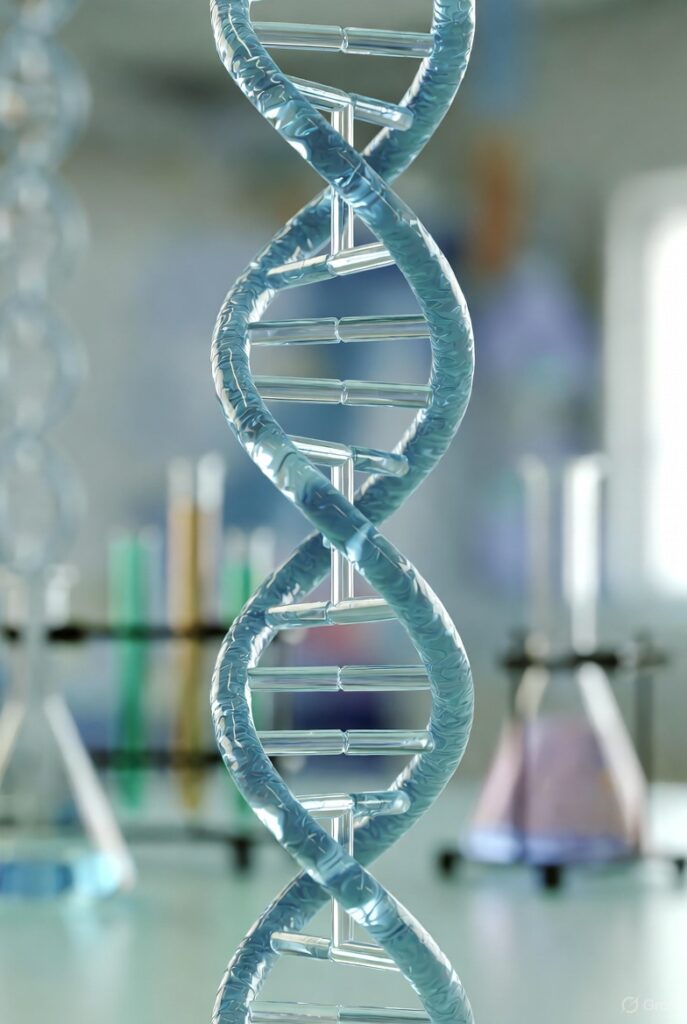
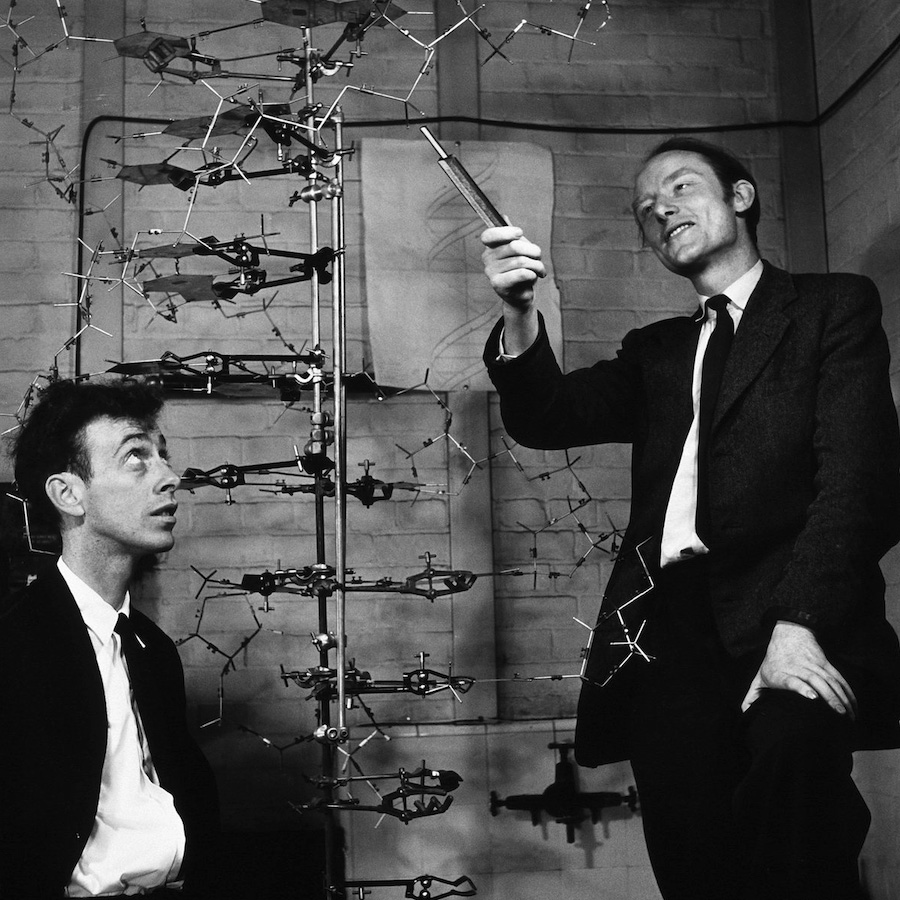
In 1953, Watson and Crick proposed a model for the structure of DNA that would become one of the most important scientific discoveries of the 20th century. Their model — two intertwined sugar-phosphate chains forming a double helix, with pairs of nitrogenous bases in the center — elegantly explained how genetic information could be copied and transmitted from cell to cell.

This discovery built partly upon crucial experimental data obtained by Rosalind Franklin and Maurice Wilkins, whose X-ray diffraction images of DNA provided the empirical evidence for the helical structure.
Their findings were published in the journal Nature in April 1953, in a short but historic paper that redefined genetics. Watson later recalled the moment the model came together: “It’s so beautiful!” — recognizing that the molecule’s structure itself explained its function.
The implications of this discovery were enormous. The double helix model laid the foundation for molecular biology, genetic sequencing, forensic DNA analysis, and modern genomic medicine. It transformed how humanity understood heredity, disease, and even identity.
The Nobel Prize and Recognition
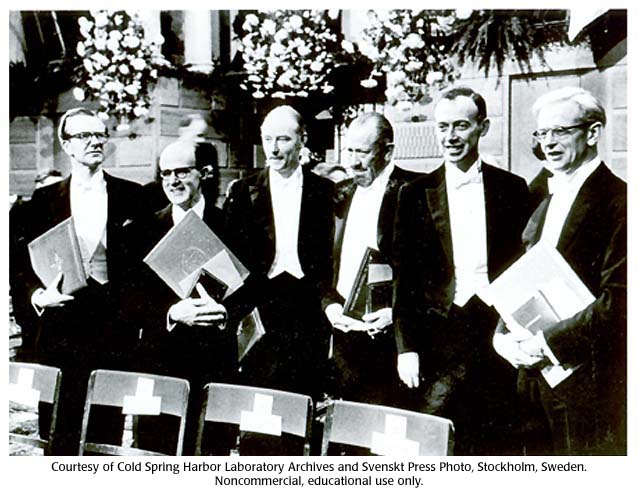
In 1962, Watson, Crick, and Wilkins were awarded the Nobel Prize in Physiology or Medicine “for their discoveries concerning the molecular structure of nucleic acids and its significance for information transfer in living material.” The prize formally acknowledged that DNA’s architecture was the key to understanding life at the molecular level.
Beyond the Nobel, Watson built an influential career as a professor at Harvard University (1955–1976) and authored pivotal books, including Molecular Biology of the Gene (1965) and his candid memoir The Double Helix (1968), which offered an insider’s look at the race to decipher DNA.
He later became director of Cold Spring Harbor Laboratory (CSHL) in New York, turning it into one of the world’s leading centers for molecular biology and genetics research.
Further Contributions and Complex Legacy
Watson’s work extended far beyond his 1953 discovery. He played a significant role in the early stages of the Human Genome Project, advocating for large-scale efforts to decode human DNA. He also promoted scientific education and public understanding of genetics through initiatives like the DNA Learning Center at CSHL.
However, Watson’s later years were marked by controversy. Public remarks he made about race, intelligence, and genetics — widely condemned as scientifically unfounded and socially harmful — led to his removal from honorary positions at Cold Spring Harbor. His case sparked global debates about ethics in science, freedom of speech, and the social responsibility of scientists.
Despite these controversies, Watson’s influence on modern biology remains undeniable. He helped establish the conceptual framework that underpins biotechnology, gene therapy, and personalized medicine.
Death and Reflection
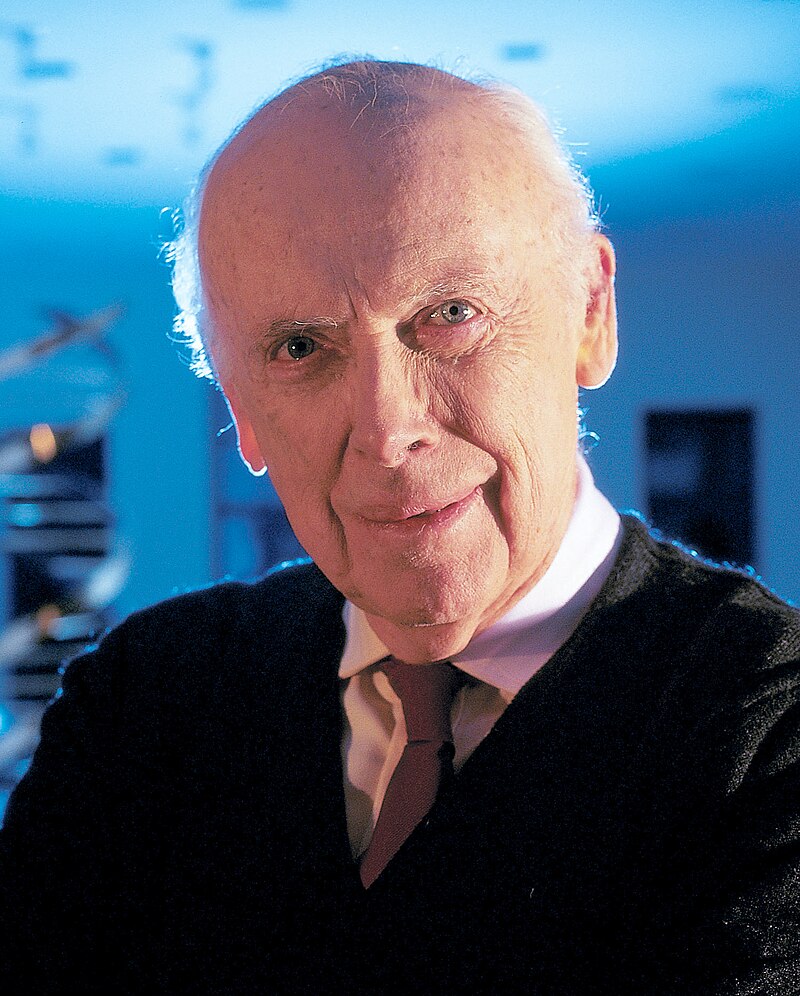
James D. Watson passed away in East Northport, New York, on November 7, 2025, following a short illness. His death marked the end of an era in molecular biology.
For the scientific and medical communities, Watson’s legacy is dual: he is celebrated as a visionary who helped reveal the molecular basis of life, yet remembered as a cautionary figure who demonstrated that intellectual brilliance does not absolve one of ethical responsibility.
The double helix remains one of science’s most powerful symbols — not just of life’s architecture, but of the curiosity, competition, and fallibility of those who seek to understand it. As Watson himself once said, “There was no way of foreseeing the explosive impact it would have.” That impact continues to shape medicine, law, and biology — and the human story itself.
References
- AP News. (2025, November 7). James Watson, co-discoverer of the double-helix shape of DNA, has died at age 97. Associated Press.
- Biography.com Editors. (2024). James D. Watson Biography. Biography.com. https://www.biography.com/scientists/james-d-watson
- Britannica, T. Editors of Encyclopaedia. (2025). James Dewey Watson. Encyclopaedia Britannica. https://www.britannica.com/biography/James-Dewey-Watson
- Live Science Staff. (2025, November 7). James Watson, controversial co-discoverer of DNA’s structure, dies at 97. Live Science.
- NobelPrize.org. (1962). The Nobel Prize in Physiology or Medicine 1962 – James D. Watson – Biographical. The Nobel Foundation.
- People Magazine. (2025, November 7). James Watson, who helped discover DNA’s double-helix structure, dies at 97. People. https://people.com/james-watson-dead-dna-double-helix-11846193
#ArtificialIntelligence #Medicine #Surgery #Medmultilingua
Leave a Reply