
Dr. Marco V. Benavides Sánchez – Medmultilingua.com/
What you need to know about the Andes hantavirus aboard the MV Hondius — and why fear is the wrong response.
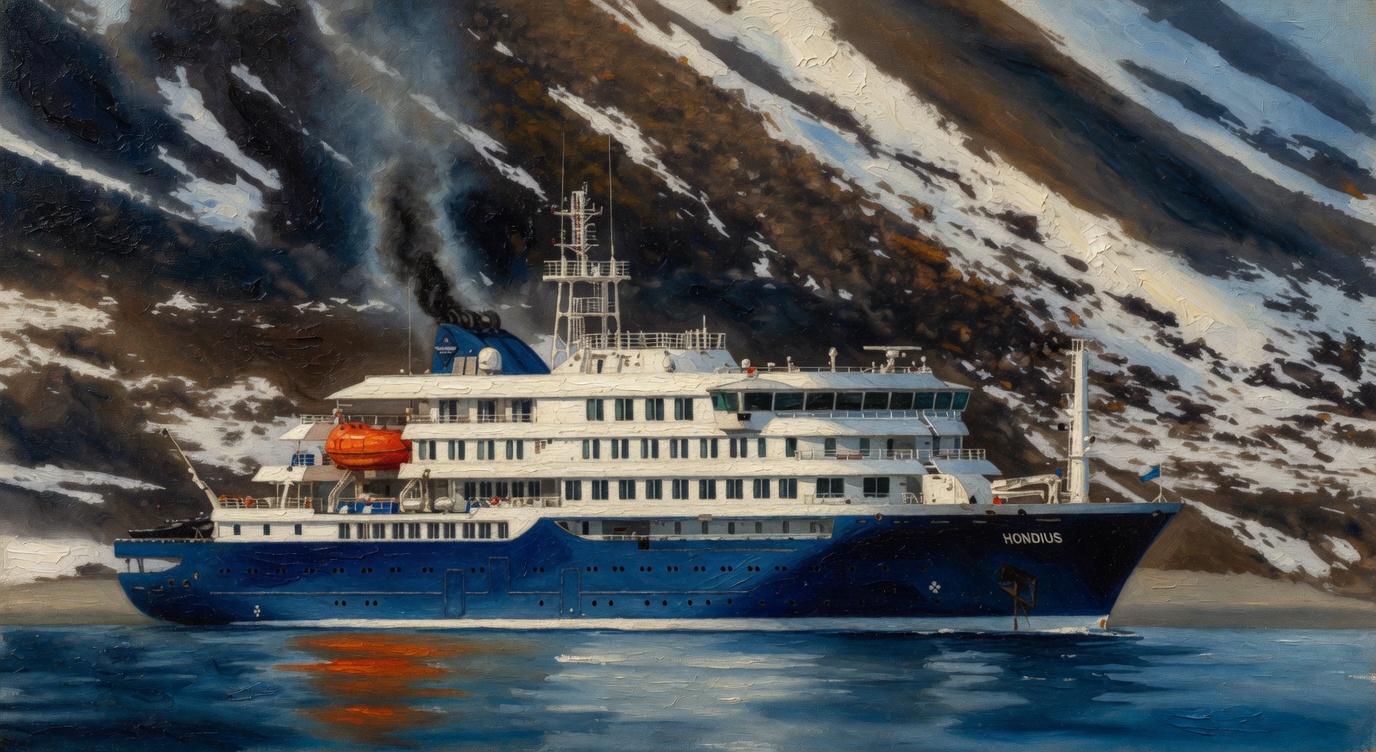
On April 1, 2026, the Dutch expedition ship MV Hondius cast off from Ushuaia, Argentina — one of the southernmost ports on Earth — carrying 147 passengers of 23 nationalities on a voyage through the remote islands of the South Atlantic. By the time the vessel finally docked in Tenerife, Canary Islands, on the morning of May 10, it had become the unlikely stage for one of the most medically extraordinary events of the decade.
The culprit: Andes hantavirus, a pathogen born not in laboratories or crowded cities, but in the windswept grasslands and forests of Patagonia, carried silently in the lungs of small rodents.
A Virus With Ancient Roots
Hantaviruses have existed for thousands of years, living in an invisible pact with their rodent hosts. The animals carry the virus without falling ill; humans stumble into the equation accidentally, usually by breathing in dust contaminated with rodent urine, droppings, or saliva. Human hantavirus infection is primarily acquired through contact with the urine, faeces, or saliva of infected rodents.
The Andes virus — endemic to southern Argentina and Chile — belongs to a subgroup called New World hantaviruses, which cause hantavirus pulmonary syndrome (HPS): a disease that begins deceptively mildly, with fever and muscle aches, then can accelerate into catastrophic respiratory failure within days. The mortality rate hovers around 40%.
What makes Andes virus singular in the entire family of hantaviruses is one chilling distinction: it is the only known hantavirus to spread between humans — though only through close, sustained contact.
How the Outbreak Began
The index case was a Dutch citizen who had gone on a four-month road trip between November 27, 2025, and April 1, 2026, spanning Chile, Uruguay, and Argentina. He had returned to Argentina from Uruguay only four days before departure. Somewhere along those remote roads, in a farmhouse, a camp, a shelter, he almost certainly inhaled particles carrying the virus. He boarded the Hondius without symptoms — the incubation period for HPS can stretch up to six weeks.
On April 11, he died aboard the ship. His wife was evacuated to Saint Helena, then transferred to Johannesburg, where she died two days later. A third passenger also died on board.
As the ship continued its voyage toward Africa and Europe, more passengers fell ill. The Hondius became something no cruise ship had ever been: a floating epidemiological investigation.
What Happens Inside the Body
The disease moves in two acts. The first — the prodromal phase — lasts three to six days and mimics influenza: fever, intense muscle pain, headache, nausea. It is precisely this ordinariness that makes the virus dangerous. Patients and physicians may not recognize the threat until the second act begins.
Then, with terrifying speed, fluid floods the lungs. Non-cardiogenic pulmonary edema develops — the airways fill not because the heart has failed, but because the virus has triggered an overwhelming immune response that makes blood vessel walls leak. Oxygen saturation plummets. Without intensive care and mechanical ventilation, the outcome can be fatal.
There is no specific antiviral drug for HPS. Medicine’s only weapon is time, oxygen, and intensive support.
The Global Response
World Health Organization Director-General Tedros Adhanom Ghebreyesus traveled to Tenerife personally to oversee the disembarkation, and addressed journalists directly: “This is not another COVID. The risk to the public is low. People shouldn’t be scared and they shouldn’t panic.”
The total number of confirmed and probable cases rose to 10, including two confirmed deaths from hantavirus and one suspected death. The Centers for Disease Control and Prevention deployed a team of epidemiologists and medical professionals to the Canary Islands and activated a medical repatriation flight to Offutt Air Force Base in Nebraska. Sixteen American passengers arrived at the University of Nebraska Medical Center — the nation’s National Quarantine Unit.
Genetic analysis confirmed that the virus belongs to the known Andes variant, with no relevant mutations detected. This matters enormously: a mutated, more transmissible strain would have changed the picture entirely. It has not changed.
Why You Should Not Panic — But Should Stay Curious
The numbers tell a clear story. The risk of hantavirus to the general public remains very, very low, according to US health authorities. There has been no community transmission detected anywhere. No one who did not have close, prolonged contact with a confirmed patient has fallen ill.
Andes virus does not spread like influenza — through a cough on a bus or a handshake in an office. It requires sustained, intimate contact during the active phase of illness. The passengers who sat beside infected travelers at dinner, who shared the ship’s corridors — the vast majority remain healthy.
What this outbreak does reveal is the fragile complexity of our relationship with the natural world. A traveler walks through Patagonia. A rodent has passed through the same field. A microscopic particle is inhaled. Weeks later, on the open South Atlantic, a virus makes itself known in the most dramatic way possible.
The lesson is not fear. It is knowledge. Travelers to rural Patagonia and Chile should be aware of hantavirus risk and avoid contact with rodents or their habitats. If fever and muscle pain develop in the weeks after such a trip, seek medical attention and mention your travel history.
That is, ultimately, what medicine asks of all of us: not panic, but attention.
Sources: WHO Disease Outbreak News DON599, CDC, Wikipedia MV Hondius outbreak, ABC News, CNN, Al Jazeera — May 10–11, 2026.
Hashtags:
#ScienceCommunication #MedicalEducation #InfectiousDiseaseAwareness #MedicalWriting #HealthLiteracy #Medmultilingua
© Medmultilingua 2026 — Science accessible to everyone, worldwide.
Leave a Reply